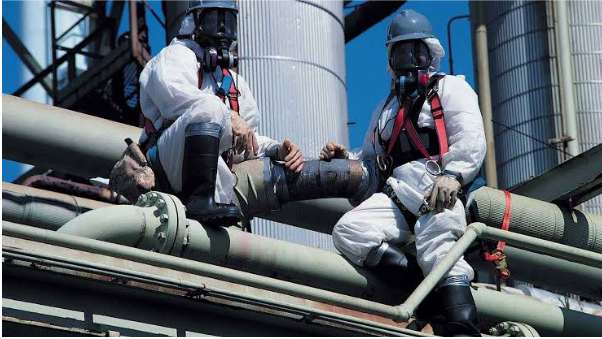
Renovating or maintaining an older commercial property can disclose issues that are not visible during routine inspections. Asbestos is one of the most significant. It was widely utilised in Australian construction for decades and may still be present in commercial buildings, particularly those constructed or modified before the statewide ban on new asbestos-containing products in 2003.
For property owners, the difficulty is not merely determining where asbestos might be located. They also need to understand how renovation operations, maintenance work, contractors and modifications to a structure can increase the risk. Planning for asbestos before work begins can help reduce unnecessary exposure, project delays and costly disruption.
1. Why Commercial Asbestos Can Be Difficult to Manage
Commercial asbestos can be found in a wide range of building materials. Depending on the age and construction of a home, asbestos-containing materials may be found in cement sheeting, roofing goods, wall linings, flooring materials, insulation, and other building components.
The condition of the material is also important. Intact asbestos that is unlikely to be disturbed may present a lower immediate deteriorating than damaged or decaying materials. However, maintenance activities such as drilling, cutting, demolition, or refurbishing might upset previously untouched materials.
This means that asbestos management must consider both the building’s current condition and the work planned for it.
2. Renovation Can Create New Risks
A substance that poses limited risk when left alone can become a problem when remodelling activity is likely to upset it. Ceiling replacement, electrical system upgrades, new service installations, and wall modifications may all involve areas with probable asbestos.
Before beginning the restoration process, all accessible asbestos information should be studied. According to the model WHS framework, demolition or refurbishment work cannot begin before the structure or plant has been assessed by a competent person to identify whether asbestos or asbestos-containing material is present. Where there is doubt, the substance may be assumed to contain asbestos.
This is why asbestos should be addressed during project planning rather than after contractors have begun work.
3. Keeping Asbestos Registers Up to Date
An asbestos registry critical information regarding asbestos that has been detected or is suspected to be present. It can save information such as its location, type, and condition. Where asbestos is present in the workplace, the model WHS framework requires an asbestos management plan.
These materials are a useful resource for property owners and facility managers when dealing with contractors and maintenance workers.
When asbestos is removed, disturbed, or otherwise damaged by building work, the information should be evaluated and updated accordingly. When the management of a workplace changes, relevant information should be shared.
4. Identifying Hidden Asbestos
One of the most significant issues with older commercial buildings is that asbestos is not always evident. It could be hidden below finishes, integrated into building components, or positioned in regions that are rarely accessed.
Visual inspection cannot accurately determine whether a material contains asbestos. Where confirmation is required, suitable sampling and laboratory analysis should be performed by trained personnel.
Property owners should avoid depending solely on looks. If a material is suspected of containing asbestos, it should not be disturbed just because it appears safe.
5. Managing Contractors on Commercial Sites
Commercial properties frequently have multiple contractors working on-site. Electricians, plumbers, builders, HVAC technicians, and maintenance staff may all deal with various aspects of a building.
Clear communication is crucial. Workers who may come into contact with asbestos should be given pertinent knowledge about the material, and responsibilities for asbestos management should be established prior to beginning work.
Before proceeding with works such as roof maintenance, ceiling repairs, service penetrations, or internal refurbishment, property owners should consider asbestos. Early detection can help prevent contractors from arriving on site without the necessary information to perform safely.
6. When Specialist Removal May Be Required
Not all asbestos-containing materials have to be removed. Depending on its health, location, and likelihood of disruption, it may be managed in place.
Removal may be necessary if the material is damaged, deteriorating, friable, or likely to be disturbed during planned operations. Where removal is essential, property owners should use adequately licensed personnel and adhere to the applicable state or territory regulations.
Industrial asbestos removal services may be appropriate for larger or more advanced establishments where asbestos is found in broad areas or in complex commercial and industrial contexts.
7. Disposal Must Be Planned Too
Asbestos management does not end when the material has been removed. Asbestos waste needs to be handled, transported, and disposed of properly. It should not be mixed with regular demolition rubbish.
The requirements for transporting and disposing of asbestos trash differ by Australian jurisdiction. Property owners and contractors should therefore confirm the necessary municipal requirements and make disposal arrangements before beginning the removal process.
8. Planning Ahead Makes Renovations Safer
Before renovation or significant maintenance work, property owners should establish:
- Whether the building is likely to contain asbestos
- Whether an asbestos register is available and current
- Whether an asbestos management plan is required
- Which areas could be affected by proposed work
- Whether professional assessment or testing is necessary
- Which contractors are appropriately qualified or licensed
- How asbestos waste will be managed and disposed of
Taking these actions early can lessen the likelihood of unexpected asbestos findings interrupting work in the middle of a project.
9. A Proactive Approach to Commercial Asbestos
Older commercial buildings can still function, but asbestos should be addressed whenever maintenance, refurbishment, or destruction may disturb existing materials. Identifying potential hazards before work begins is a safer strategy than intervening after a problem has happened.
A current asbestos register, suitable professional evaluation, clear contractor communication, and well-planned controls can help protect workers and building occupants while making rehabilitation projects more predictable.
For property owners, efficient commercial asbestos control boils down to preparedness. Where evaluation, removal, or disposal is required, always check and adhere to the relevant Australian state or territory requirements.