Picture this. On a Monday morning, you enter a gym, excited and fired up to train. You
load up the bar, and the rack wobbles.
There is a bench to sit on, which creaks under your weight. You lay hold of the cable machine, and the pulley squeaks as if it has not been repaired since 2015. When you complete your warm-up, half of the motivation that you walked in with is already gone.
Sounds familiar? The majority of gym-goers have visited the gym at least once.
And here’s the honest truth: experience does not occur by chance. It is the immediate consequence of a plan that cuts corners on commercial gym equipment.
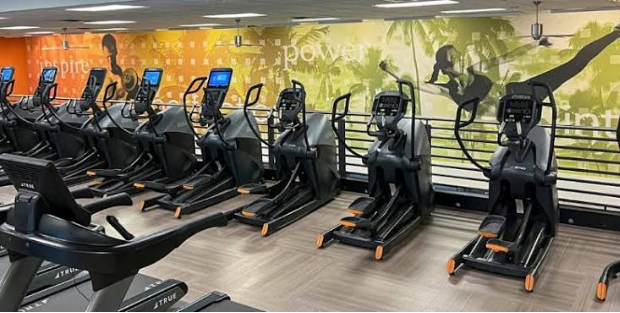
Now, flip the script. You enter a room where all of the equipment is sturdy and functional. The racks can’t be relocated. The machinery are running smoothly. The quiet elegance of the entire floor indicates that this is not a place that takes training lightly. That difference is what distinguishes outstanding gyms. And it has never been more important for Perth’s fitness centres than right now.
Perth’s fitness scene is more competitive than ever
Perth has quietly become one of Australia’s most active fitness markets. New gyms are
opening. Boutique studios are pulling in loyal memberships. Performance centres are
blending strength training with rehabilitation in ways that were not mainstream five years ago.
There are more possibilities than ever for members. A straightforward fact that comes with having more options is that people will quit a facility if it does not live up to their expectations, and they won’t always explain why.
What actually makes equipment commercial grade
Although many gym equipment appears attractive in a catalogue, effectiveness is not guaranteed by appearance alone. That difference is instantly apparent in a packed fitness centre. Real commercial-grade gym equipment is made to withstand the rigours of an actual training environment on a daily basis. In other words:
- Frame and weld quality that holds up under constant, heavy load
- Cable and pulley systems that remain smooth after thousands of reps
- Upholstery that does not crack or compress flat within 18 months
- Biomechanical design that guides users into safe, correct movement patterns
- Weight tolerances that stay accurate and safe over years of daily use
When equipment delivers on all of these fronts, members feel it. They may not be able
to name what is different, but they notice the consistency. And that consistency keeps
them coming back.
Who benefits and how?
The honest answer is everyone. But the benefits look different depending on who you are.
- When a regular member trains without a coach, they rely on equipment to lead them through exercises safely. Proper movement patterns are supported by well-designed commercial gym equipment, which frequently acts as a kind of silent coaching without members even realising it.
- The serious athlete training at high intensity needs equipment that matches the demand. Imprecise machines and inconsistent resistance do not just frustrate the members but they limit performance and raise injury risk.
- The member returning from injury or managing a chronic condition needs equipment built for precision and support. For this reason, quality is not a preference. It is a requirement.
Getting It Right for Your Perth Facility
Choosing the right commercial gym equipment is one part of the equation. Setting it up
in a way that actually serves your members is the other.
Floor layout, traffic flow, and zoning your space effectively all matter. A cramped or poorly planned floor can undermine even the best equipment. And this is where partnering with an experienced supplier for gym equipment Perth is genuinely valuable.
Final Thoughts
Members’ expectations are rising in line with Perth’s expanding fitness market. The gyms that make wise, long-term choices now are the ones that will dominate the sector over the next ten years. Purchasing high-quality commercial gym equipment communicates to each member who works out with you that this is a place designed to produce tangible outcomes rather than just fill a floor with equipment.
The question of whether quality justifies the expenditure is no longer relevant. How long you can afford to wait is the true question.